

Community-led Biodiversity Improvement for Livelihood Transformation (CoBILT) Project
Background
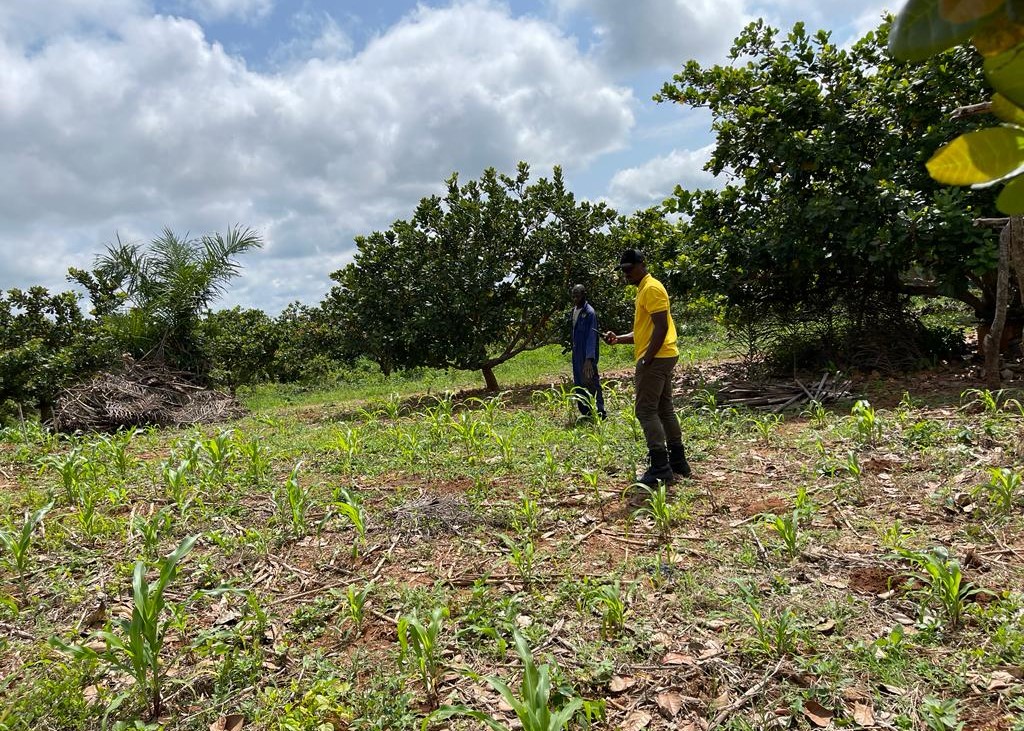
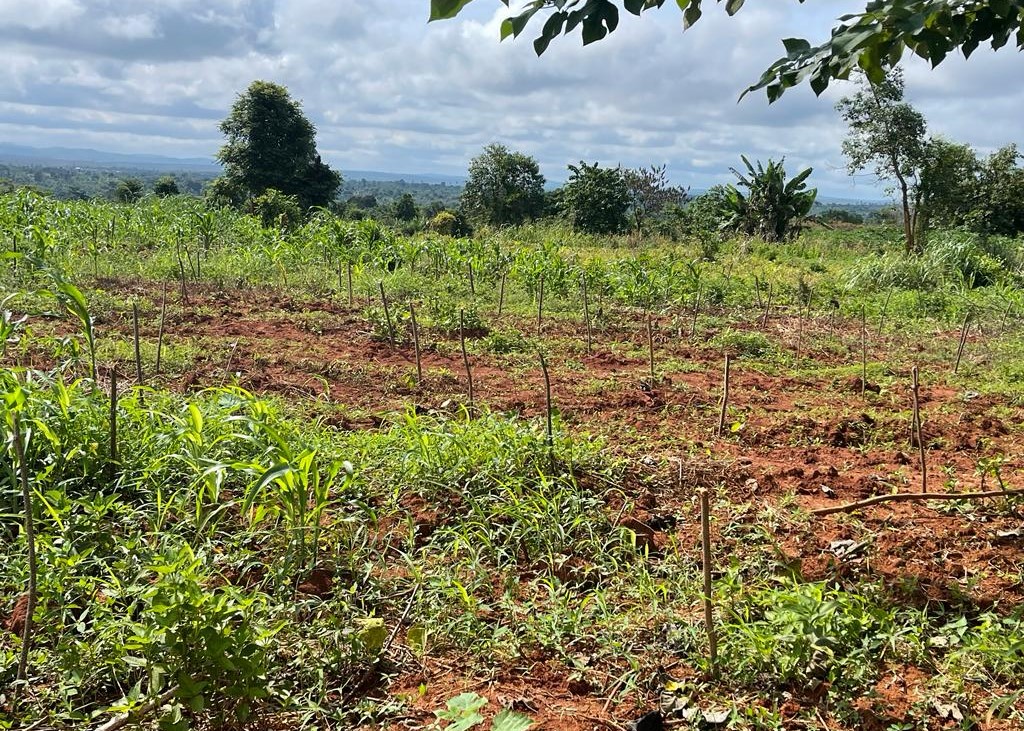
The Community-led Biodiversity Improvement for Livelihood Transformation (CoBILT) Project is a five-year initiative aimed at addressing deforestation, biodiversity loss, poverty, and climate vulnerability in the Ekumfi; Ajumako-Enyan-Essiam; and Asikuma-Odoben-Brakwa Districts in Ghana’s Central Region. These districts, where agriculture is the primary occupation, face significant environmental degradation due to unsustainable farming practices. The CoBILT Project seeks to restore degraded lands, enhance biodiversity, and improve livelihoods through community-led, nature-based solutions.
Agricultural expansion and unsustainable practices have resulted in severe deforestation, soil degradation, and biodiversity loss, undermining the region’s ecological balance and economic resilience. Cocoa production, a critical livelihood in the area, is under threat due to poor soil health and changing climatic conditions. These challenges have increased poverty levels, reduced food security, and heightened vulnerability to climate change, creating an urgent need for targeted interventions.
Project Objectives
The overall objective of the CoBILT Project is to enhance biodiversity conservation while improving livelihoods through community-led actions. Specifically, CoBILT aims to restore:
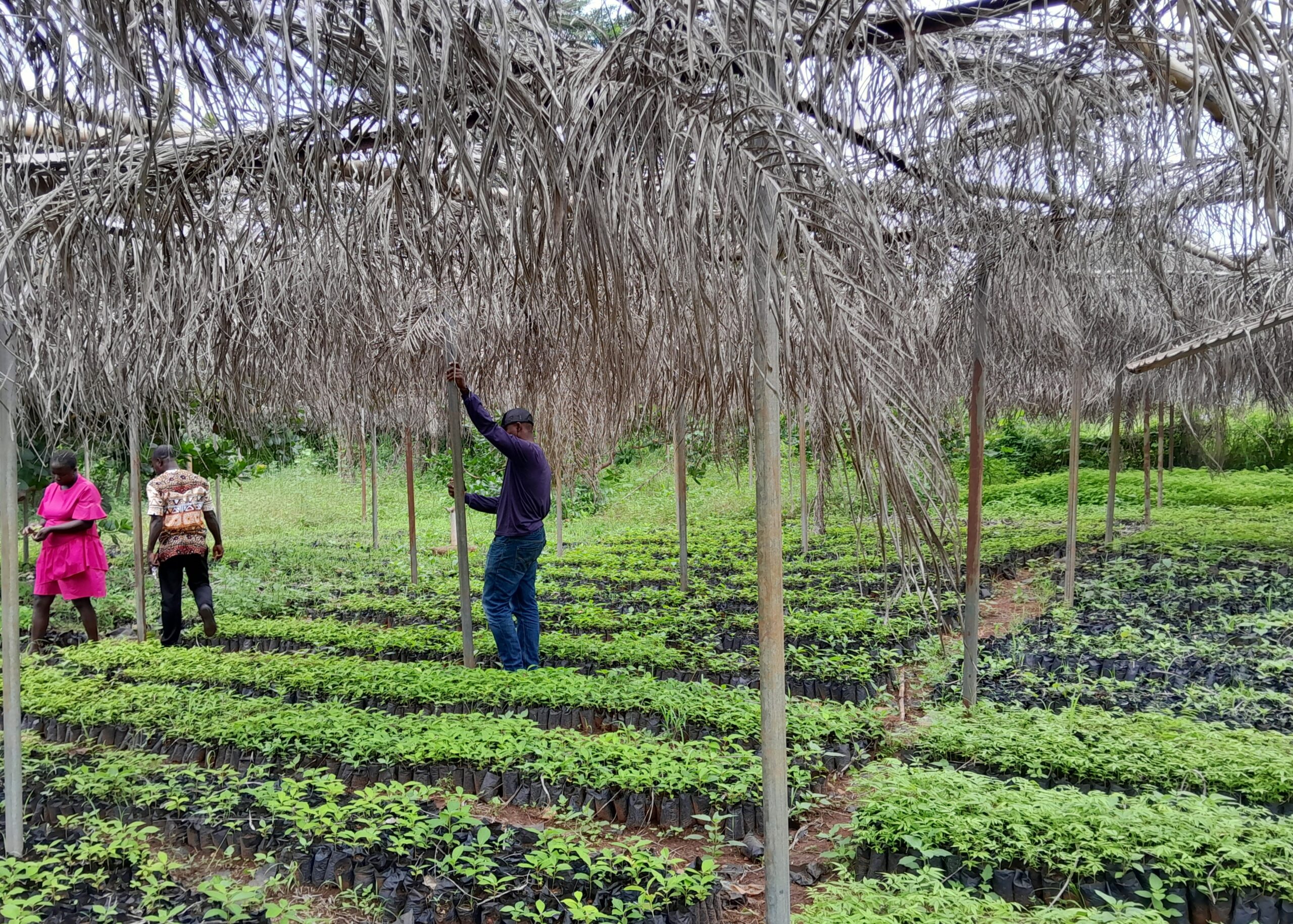
- Restore 5,000 hectares of degraded land by planting 250,000 indigenous trees.
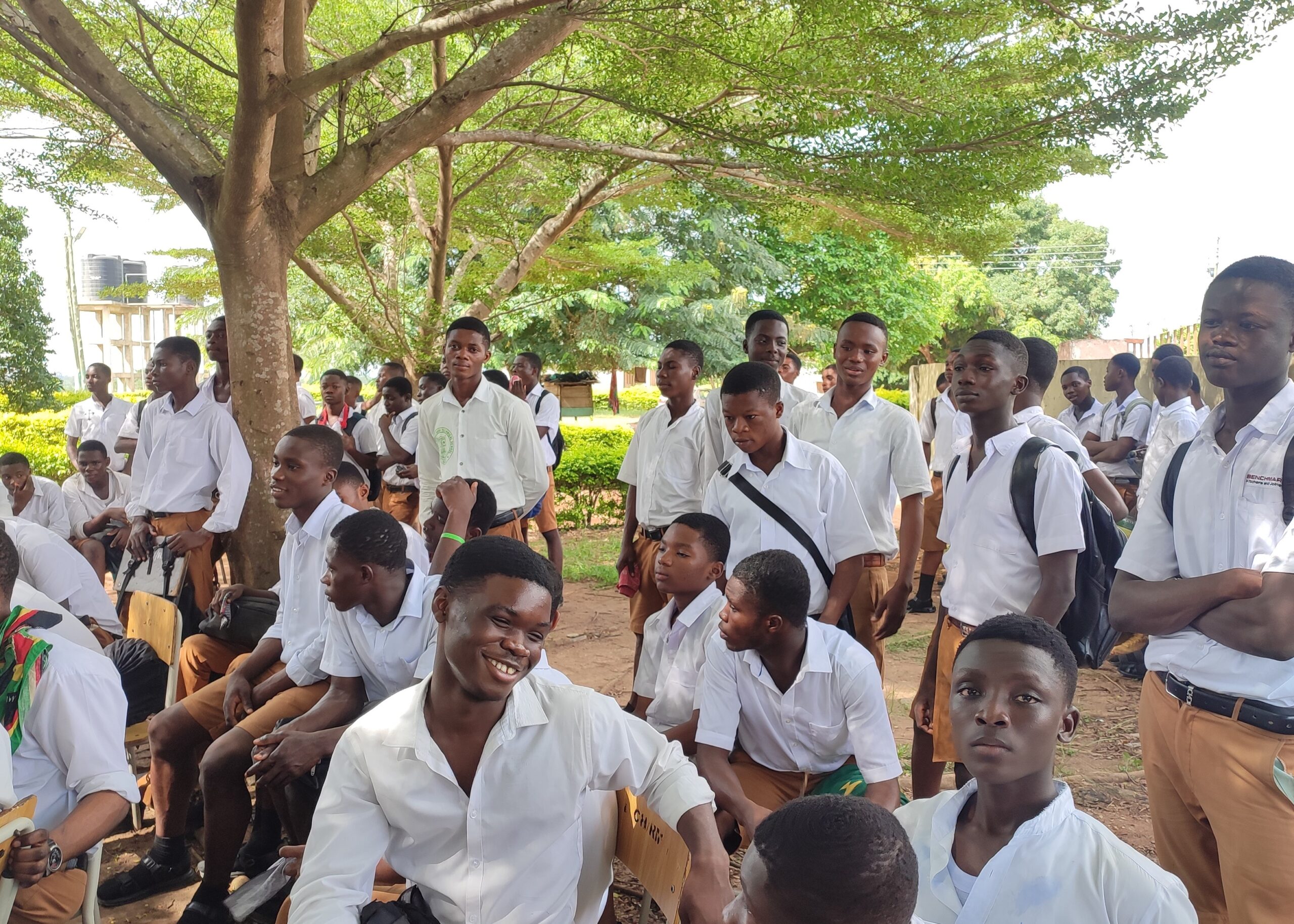
- Train 1,500 smallholder farmers in climate-smart agricultural practices.
- Establish sustainable livelihood opportunities benefiting 600 households.
- Integrate traditional ecological knowledge with scientific restoration techniques for long-term sustainability.
The CoBILT Project employs a participatory multi-actor approach, involving local communities in planning, implementation, and monitoring to ensure ownership and sustainability. Activities include large-scale tree planting campaigns, farmer training in sustainable agriculture, and the establishment of biodiversity monitoring systems with community participation. Market linkages for eco-friendly products will also be developed to create sustainable income streams.
CoBILT Project is aligned with Ghana’s Nationally Determined Contributions (NDCs), the United Nations Sustainable Development Goals (SDGs), and the UN Decade on Ecosystem Restoration. It builds on the successes of earlier phases – CoBILT I, which demonstrated significant improvements in biodiversity restoration and farmer livelihoods. By leveraging innovative technology such as GIS for monitoring, CoBILT ensures data-driven implementation and scalability across similar regions.
IDE Ghana’s CoBILT Project presents a transformative solution to interconnected environmental and socio-economic challenges. By fostering community ownership, promoting biodiversity-friendly practices, and building resilience to climate change, the project will deliver lasting impacts. With measurable outcomes, such as increased household incomes and enhanced ecosystem services, CoBILT offers a replicable model for sustainable development. IDE Ghana invites donor support to bring this vision to life and contribute to global biodiversity and climate goals.
Project Location: Ekumfi, Ajumako-Enyan-Essiam, and Asikuma-Odoben-Brakwa Districts, Central Region, Ghana
Project Duration: Five years
MEDIA
Video Library



No. 18 Nii Fio Wolomo Aly, Accra
P. O. Box CT10822, Cantonments, Accra
+233 205 8000 88 | info@idegh.org
Home | About Us | Our Initiatives & Projects | Media | Join Us | Contact Us
Copyright © 2019 – 2024 | IDE: Initiatives for Development and Education, Ghana